
NETWORK SCIENCE & EPIDEMIOLOGICAL MODELING
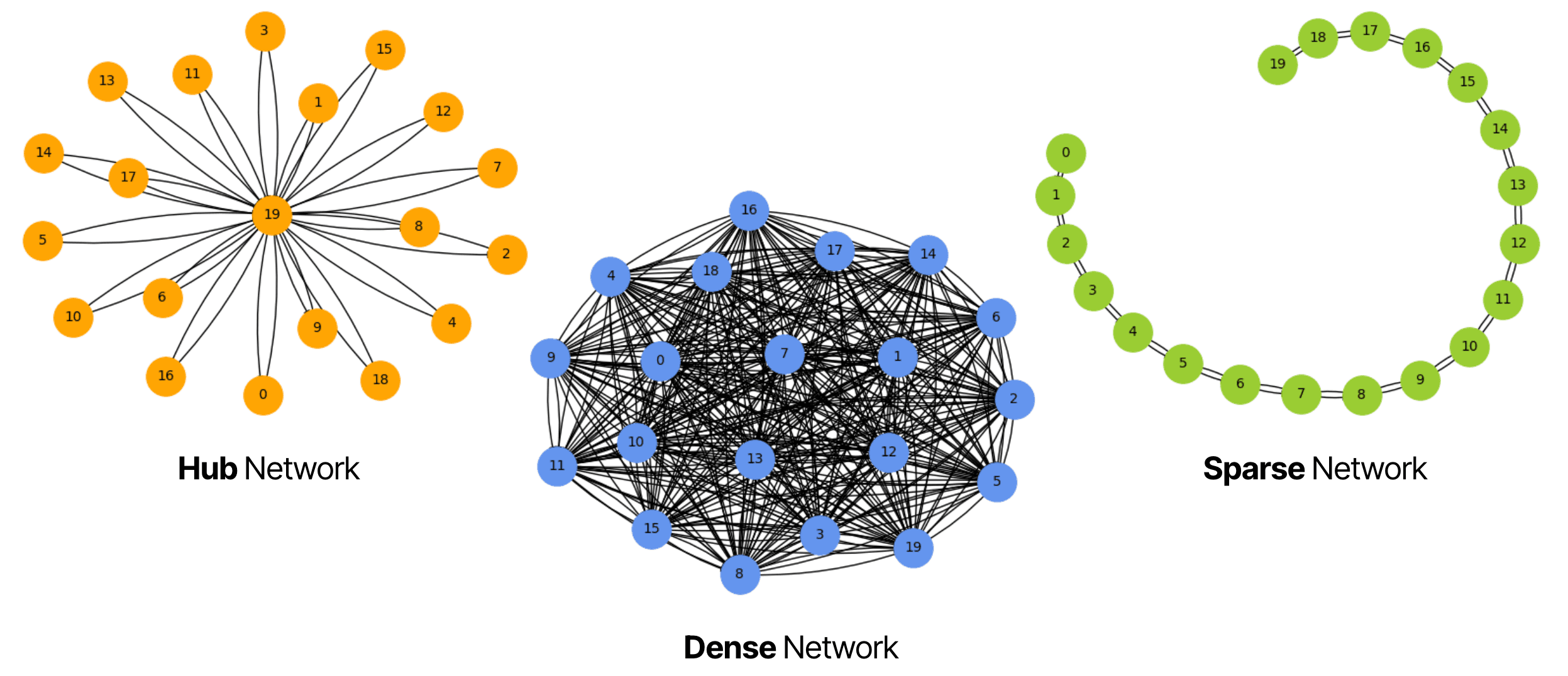
Epidemic dynamics in urban transit networks
How does the architecture of a transit network influence the velocity and scale of an infectious disease outbreak?
I developed a stochastic simulation model to study pathogen transmission across varying subway network configurations. By programming a Second-Order Markov Process with realistic commuter movement, the project quantified how network centrality and path redundancy are primary drivers for viral spread. This model is a framework for sustainable infrastructure design and can be used to improve public health outcomes in high-density urban environments.
EXPLORATORY DATA ANALYSIS
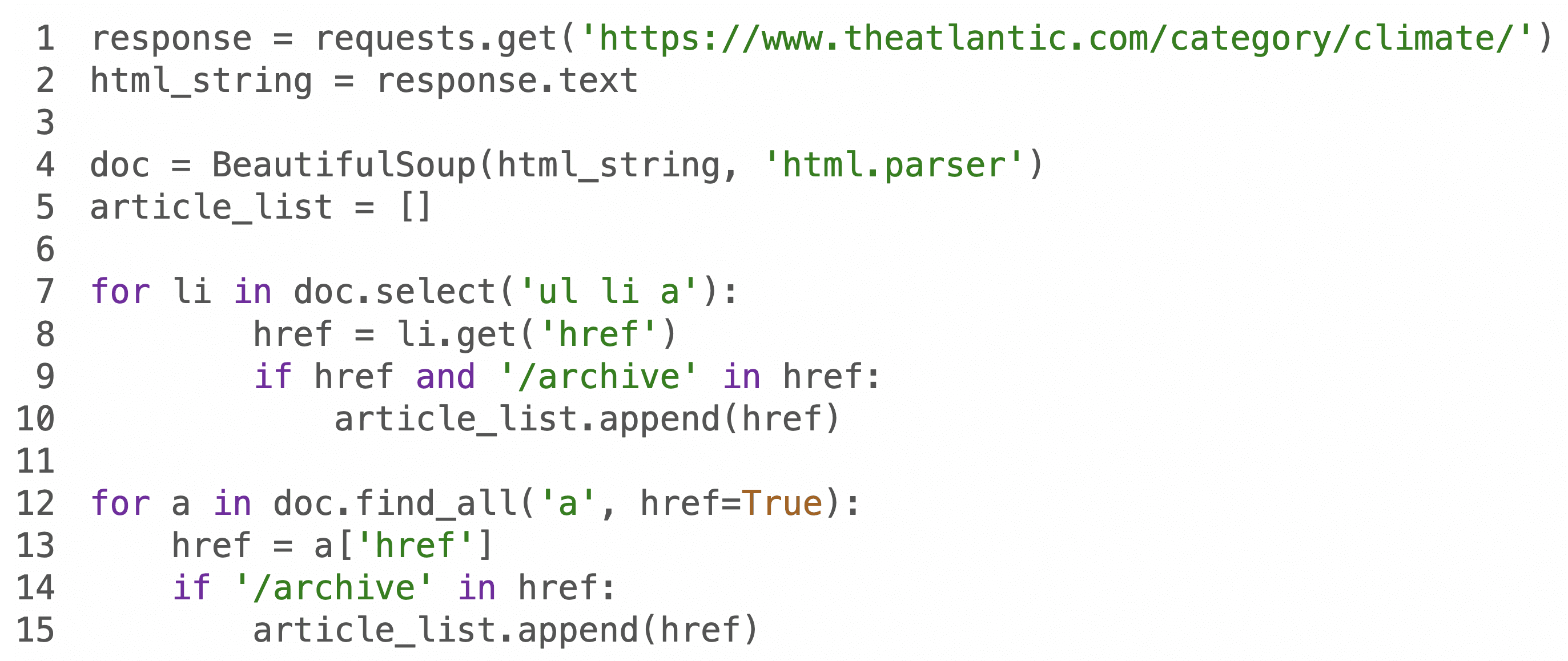
Analyzing Language in Climate Articles
URBAN SYSTEMS & DATA VISUALIZATION
Walkability in the United States
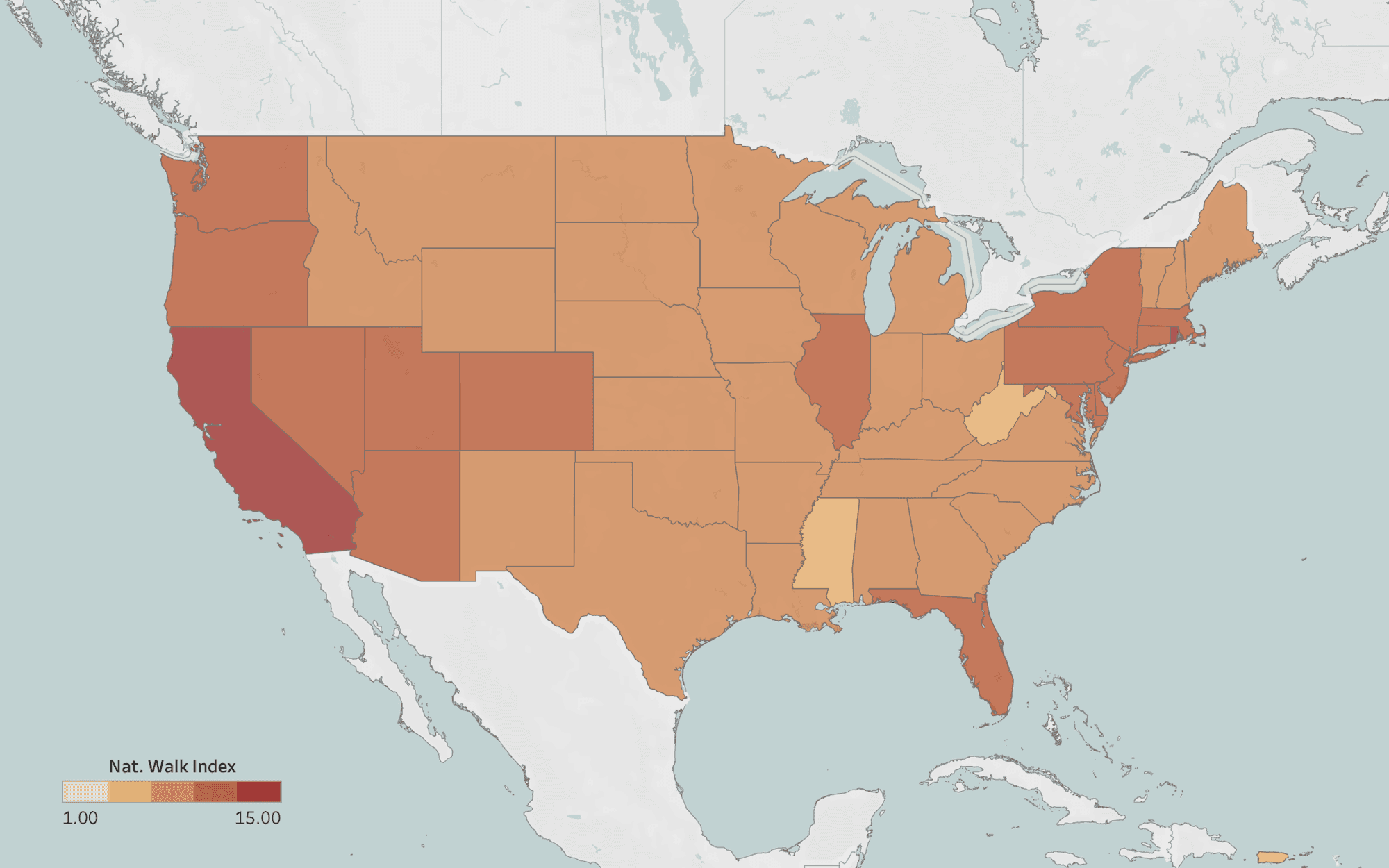
How are socioeconomic factors impacting walkability scores across the USA?
I conducted a national walkability analysis, examining relationships between walkability scores, public health outcomes, and various quality-of-life indicators. Using demographic data, this project analyzed patterns across diverse populations, including disability and race, providing data-driven evidence for urban planning focused on equal access to transit infrastructure.
GEOSPATIAL ANALYSIS
The Expanding Red Dot: Monitoring Singapore's Coastlines

GIS & WEB DEVELOPMENT
Mapping On-Campus Activism
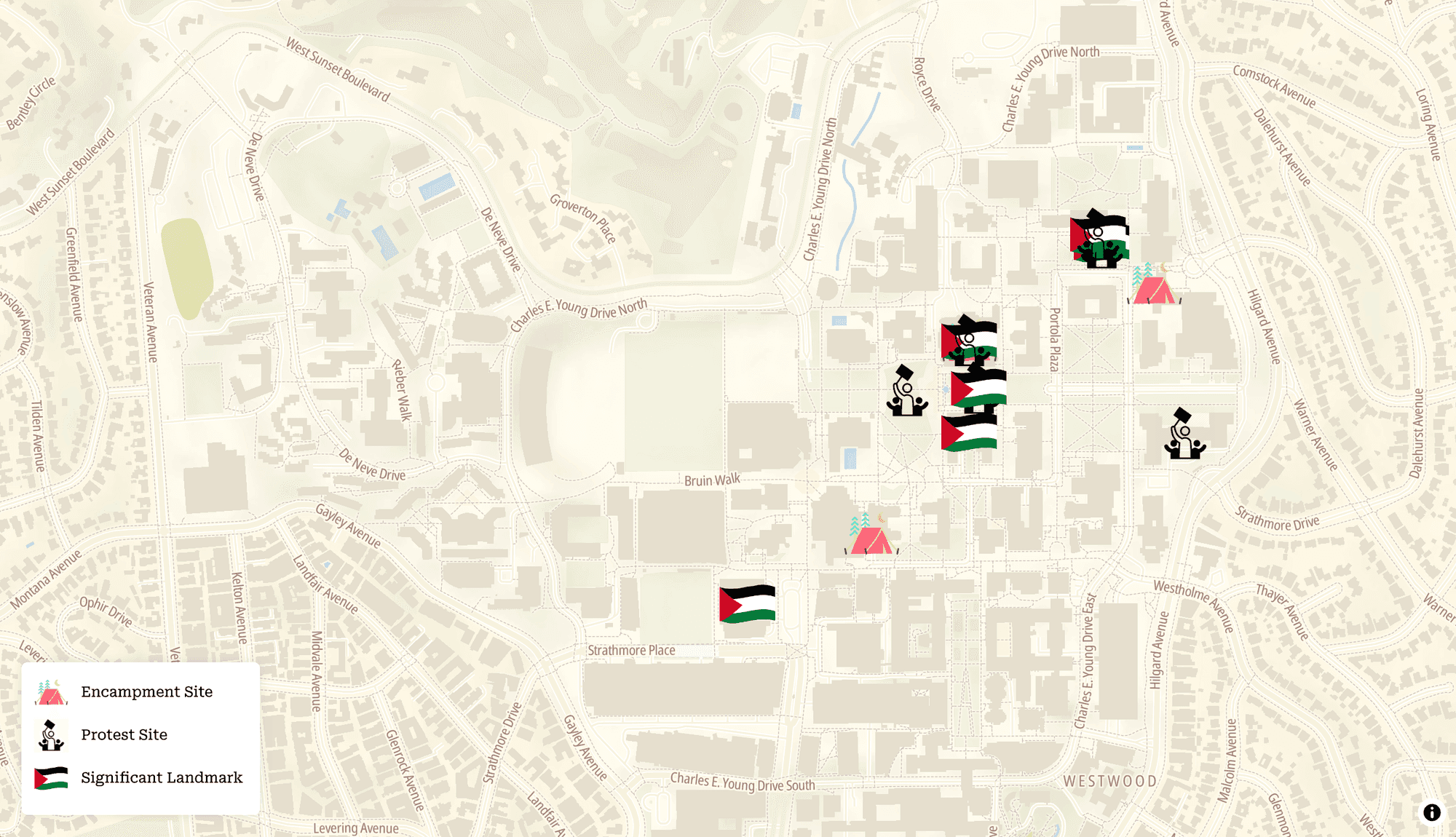
How can a data-driven, map-based platform be used to document and understand the patterns and experiences of student activists?
I developed an interactive website platform featuring a map visualization of the Spring 2024 student encampments at UCLA. This project works as a tool for individuals to contribute their own experiences and hear those of others, creating digital documentation and offering a data-driven understanding of the dynamics, patterns, and geography of activism on campus.